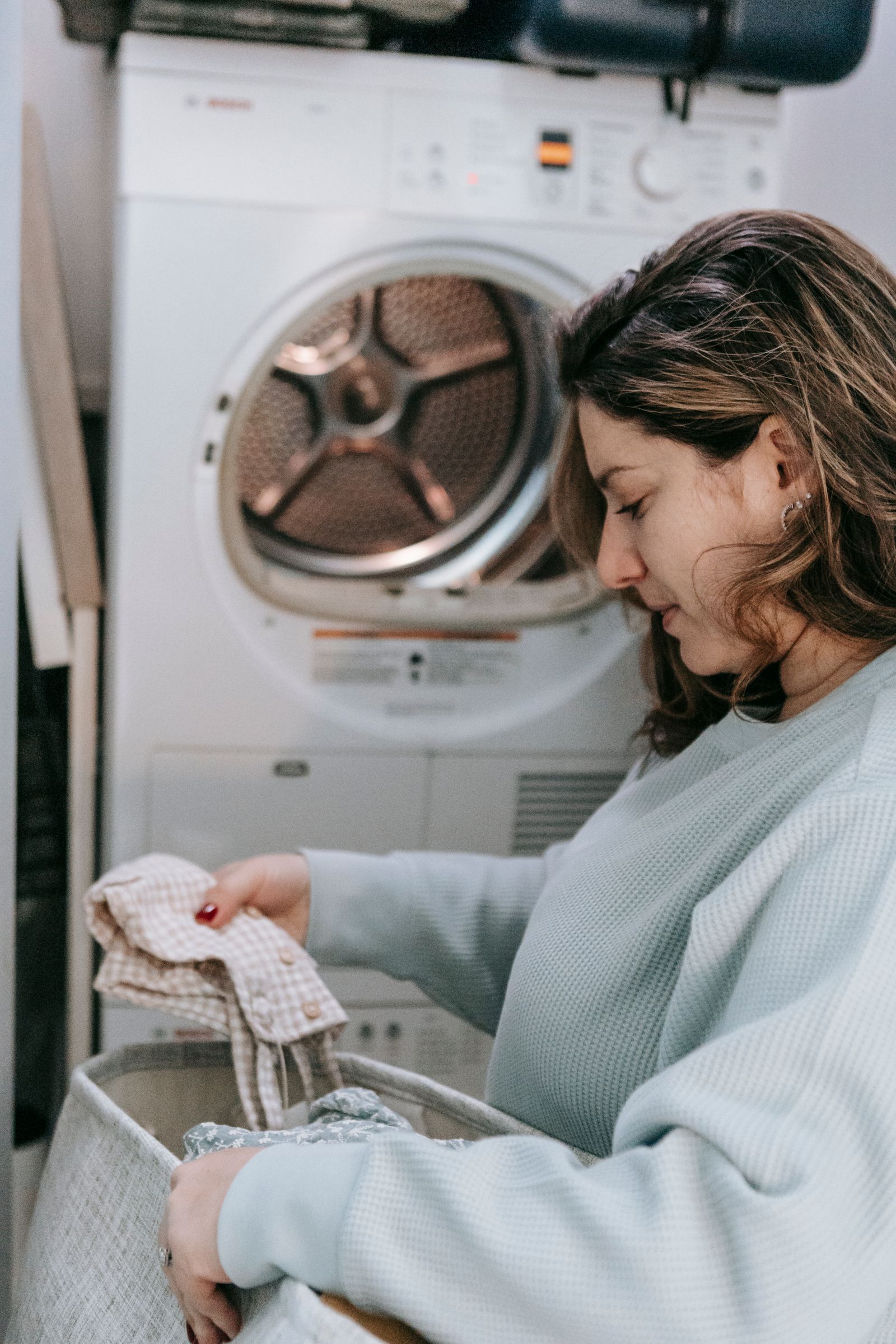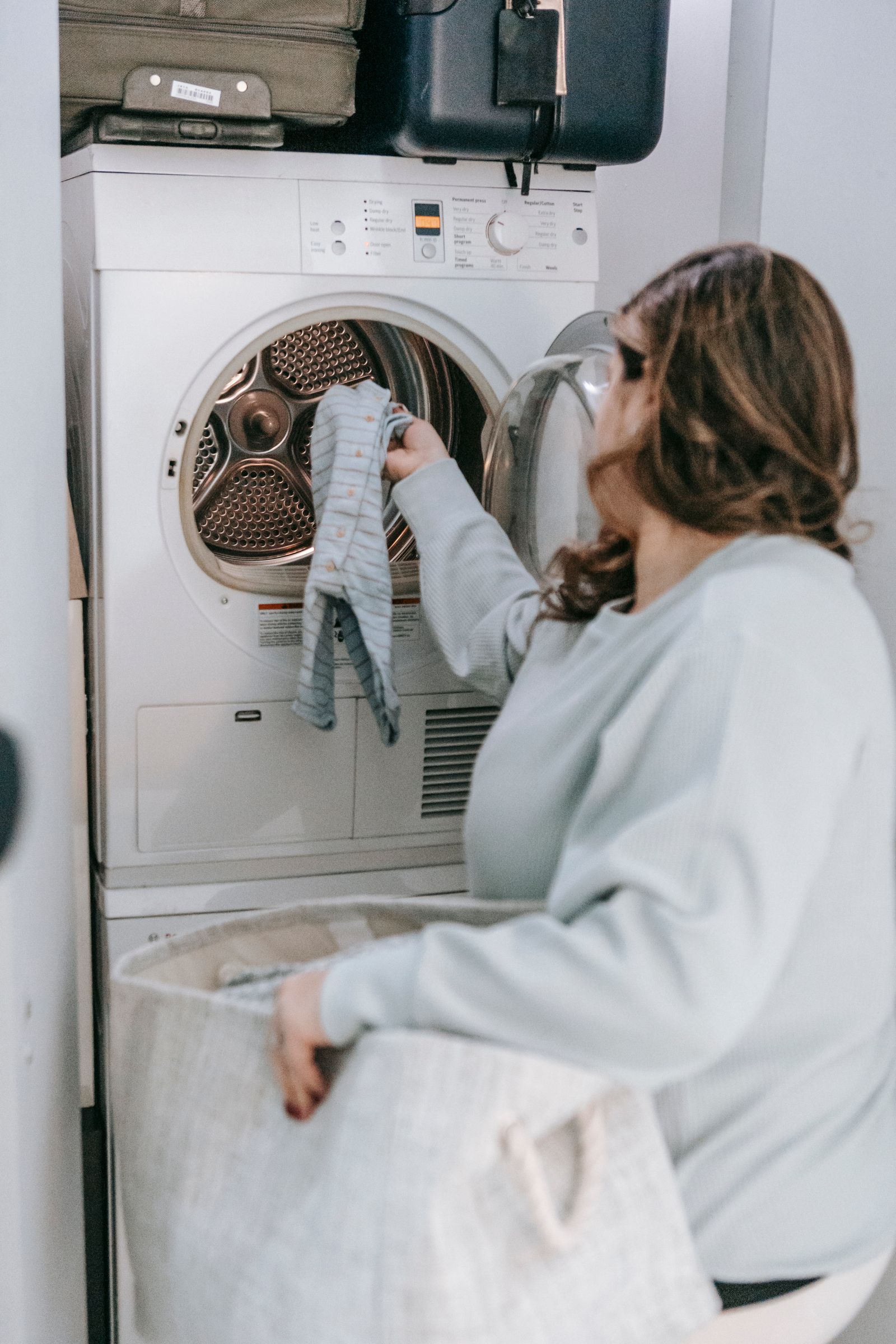
Regular miele heat pump dryer maintenance centers on two things: the FilterClean filters and the heat exchanger. Keeping both clear prevents F66 airflow problems and the slow-drying that otherwise creeps in.
Miele T1 heat-pump dryers run on a 120V/15A circuit and recover moisture through a heat exchanger rather than venting outside, so most problems trace to the FilterClean filters, the heat exchanger, or the condensate path before the sealed heat pump is ever suspect. We start with the everyday causes you can check yourself, then explain the signs that point to a part that genuinely needs a hands-on repair.
What a miele heat pump dryer maintenance usually means
A T1 dryer recirculates air across a heat exchanger rather than venting it outside, so lint that escapes the filters lands on the exchanger fins and chokes airflow. The FilterClean filters catch most fluff, but they and the fins both need regular cleaning to keep the heat pump efficient.
First checks you can do
Start with the checks you can safely do yourself. Each one rules out a common, inexpensive cause, and together they resolve the majority of cases without a service visit:
- Clean both FilterClean fluff filters in the door area after every load.
- Rinse the secondary fine filter under a tap when the dryer prompts and let it dry fully.
- Open the base maintenance flap and brush or vacuum the heat-exchanger fins clean of lint.
- Wipe the door seal and lint chamber so fluff does not migrate deeper into the cabinet.
Take these in order and test whether the problem has cleared before moving to the next. If you do end up needing help, having worked through them gives the technician a useful head start.
When it is a problem, not a habit
If the everyday checks above do not resolve it, the problem has likely moved from something you can adjust to a component that needs testing or replacing. These are the signs that point that way:
- A dryer that still shows F66 after a full clean may have lint trapped deeper in the air path.
- Heat-exchanger fins that stay matted can need a careful deeper service clean.
- Neglected maintenance is the leading cause of long drying times on heat-pump dryers.
At this point a proper diagnosis beats guesswork, since the remaining causes involve a specific part or electrical testing. An experienced technician can meter the suspect component and fit a genuine Miele part so the repair lasts.
Getting it right for the long run
None of these tasks requires special equipment or much time — the value is in doing them consistently rather than waiting for a problem. Build them into a simple schedule and they stop feeling like chores, while the appliance rewards you with steadier performance, fewer odours and blockages, and a longer life. A neglected filter, vent, or seal is behind a surprising share of service calls, and every one of those is the kind of problem this routine quietly prevents. If you ever notice a new noise, smell, or drop in performance, treat it as early feedback worth acting on.
Putting it together
Work the checks above in the order given. Most Miele dryer problems of this kind clear at one of the early, owner-checkable steps; the ones that do not point to a specific part and are worth a proper diagnosis rather than guesswork. Move from the simplest cause outward, confirm each step before the next, and treat a returning code or a lingering symptom as your cue to bring in help. A little routine care afterwards prevents most repeat calls, since Miele builds these dryers to a high standard.
Related reading: Miele dryer F66 airflow problem, how Miele heat-pump drying works, and our dryer repair service.
Book Miele dryer service
If these steps do not resolve it, our experienced technicians repair Miele dryers with genuine parts and a 30-day labor guarantee. Schedule a visit, see what our dryer repair service covers, or confirm your model details on the manufacturer’s site at mieleusa.com.