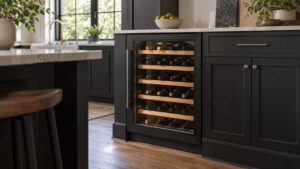
What Condensation Inside (Normal) means (miele wine cooler condensation)
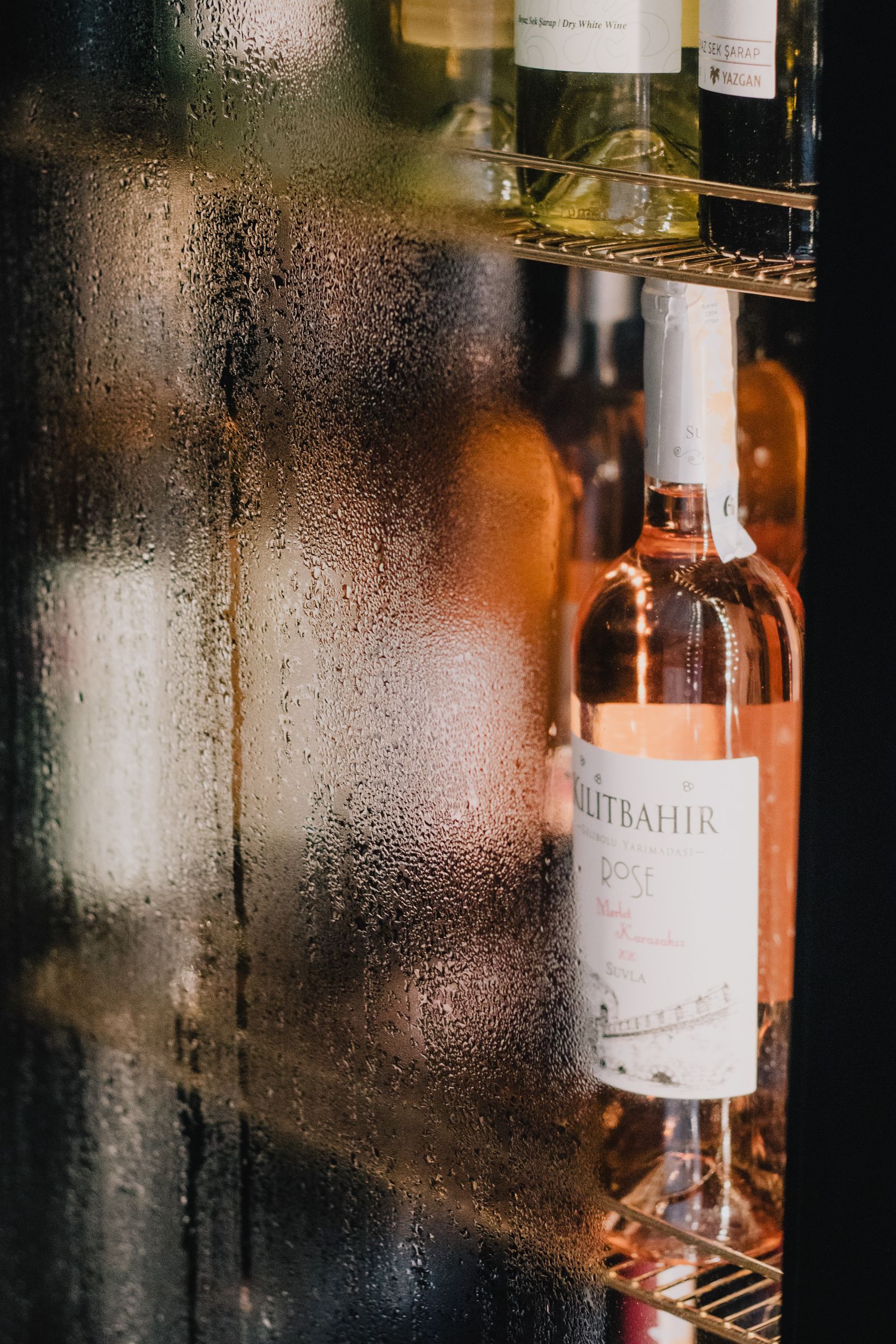
A miele wine cooler condensation film inside is usually normal, not a problem — wine storage is kept humid on purpose to protect corks, so a little moisture on the glass or walls is expected, especially in warm, humid weather or with frequent door openings. Only persistent pooling or dripping suggests a seal problem.
Symptoms to look for
The signs below help confirm you are dealing with this condition rather than a different problem on your Miele Wine Cooler. You may see one of them or several together, and they can build up gradually or appear suddenly after a power event, a long door opening, a spill, or recent service.
- A light film of moisture on the interior glass or walls
- More condensation in humid weather
- It increases with frequent door openings
- Bottles and labels are otherwise fine
Common causes
Several different problems can produce these symptoms. Working through the most likely causes in order helps separate a quick, owner-level check from a problem that needs trained service and the correct Miele parts.
- Intended humidity — wine units stay humid to protect corks (normal)
- Warm, humid room air — condenses on the cool interior
- Frequent door openings — let humid air in
- Door seal issue — only if condensation is heavy or pooling
Troubleshooting steps you can try
Work through these checks in order before calling for service. Stop wherever you are unsure, or where high-voltage parts, gas, the sealed refrigeration system, or a heat-pump compressor are involved, and hand the rest to a qualified technician.
- Wipe away light condensation; a small amount is normal and harmless.
- Open the door less often and for shorter periods in humid weather.
- Check the door seals are clean and seating if moisture is heavy.
- If water pools or drips persistently, book service to check the seal and drain.
Parts a technician may replace
Depending on what the diagnosis shows, a technician may inspect, test, or replace the door seal, interior humidity, ventilation, and door usage. The correct part for your Miele Wine Cooler is matched from the model and serial number, and genuine Miele components are fitted through trusted parts suppliers rather than generic substitutes so that performance, safety, and the appliance’s long working life are all protected. Confirming the failed part before ordering avoids replacing more than the problem actually requires.
When to call a technician
Light condensation is normal, so service is only needed if water pools or drips persistently, which can mean a seal or drain issue. When the fix calls for trained service, book a visit through our scheduling page and an experienced, qualified technician will diagnose and repair it.
Prevention and care
Regular care keeps this condition from returning on your Miele Wine Cooler. Keep filters, vents, seals, and the condenser, exhaust, or burner path clean, avoid overloading or blocking airflow, check that doors and seals close cleanly, and follow the Miele maintenance guidance for your model. Because this is a mode, indicator, or reminder rather than a breakdown, the best prevention is simply learning the control sequence for your model so you can turn it on and off deliberately. Keep the control panel clean and dry so an indicator or reminder is easy to read and clear.
Related help and Miele resources
Browse other Miele Wine Cooler diagnostics, read about Miele Wine Cooler repair, look up your unit in the Miele models reference, or the related noises (normal vs fixable), or schedule a service visit. For Miele manufacturer documentation and model lookup, visit the manufacturer at mieleusa.com.
If the condition persists after the owner checks above, an experienced Miele technician can read the full error history, test each named component against specification, and fit genuine Miele parts so the wine cooler returns to its proper performance. Most visits resolve the issue in a single trip, and the work is backed by a 30-day labor warranty on the workmanship.