Cleaning the miele dishwasher filter is the single most valuable few minutes of maintenance you can give the machine, because a clogged filter is behind a large share of odour, poor-cleaning, and F11 drainage complaints.
Miele G-series dishwashers move water through a filter, circulation pump, and spray arms, and they report problems as F-codes such as F11 and F70, so confirming the water path and the Waterproof System float before suspecting electronics resolves most calls. We start with the everyday causes you can check yourself, then explain the signs that point to a part that genuinely needs a hands-on repair.
What a miele dishwasher filter usually means
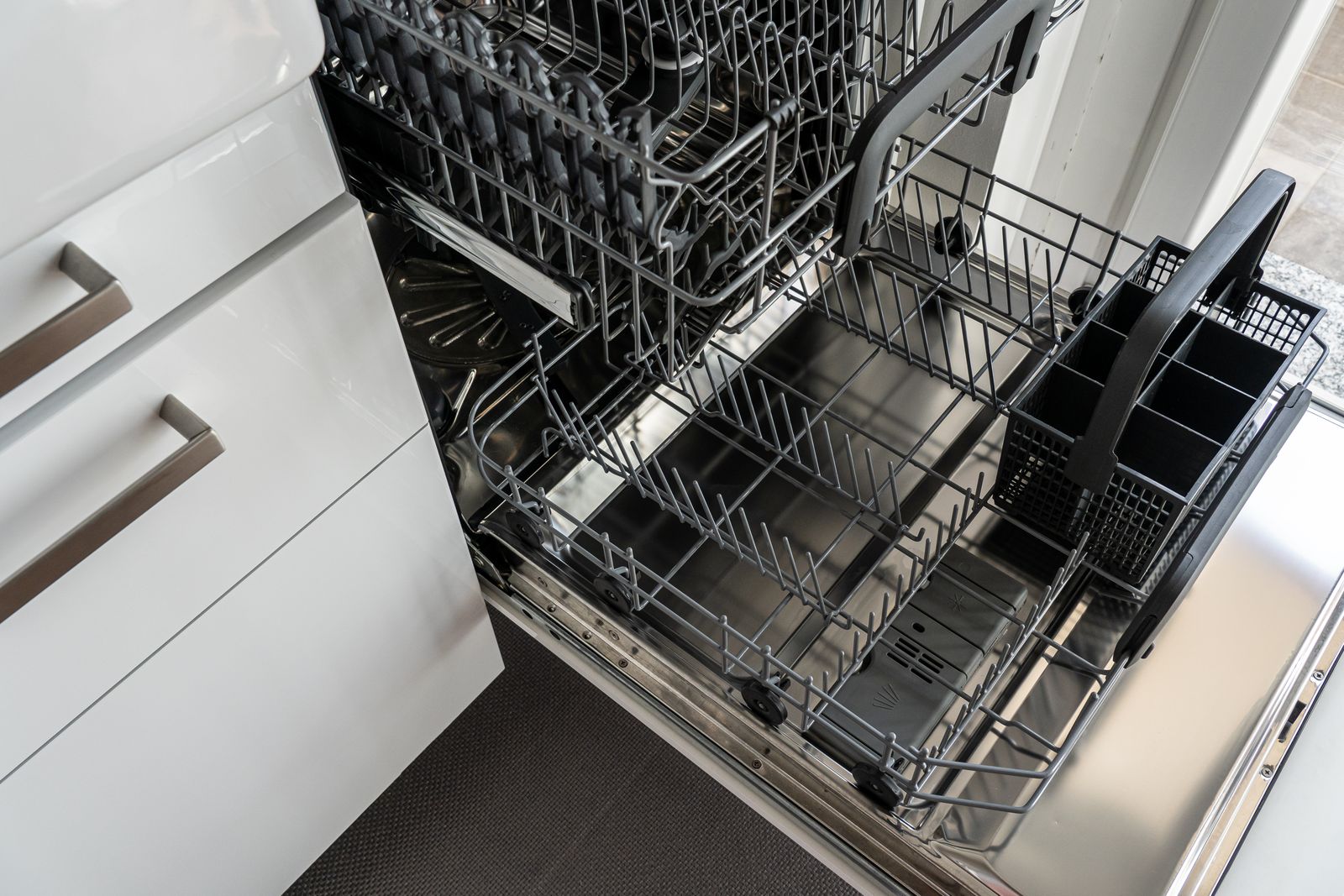
The Miele triple filter sits in the base of the tub and catches food, glass, and grit so it is not recirculated onto your dishes. Over time it loads up, which restricts water flow, traps odours, and eventually starves the drain — exactly the conditions that produce film and F11.
First checks you can do
Start with the checks you can safely do yourself. Each one rules out a common, inexpensive cause, and together they resolve the majority of cases without a service visit:
- Remove the lower rack, then turn the cylindrical filter lock anticlockwise and lift the whole filter assembly out.
- Separate the coarse and fine parts and rinse them under running water, using a soft brush on the mesh.
- Wipe the filter recess and check the drain pump opening underneath for glass or pits.
- Refit the filter and turn it clockwise until it locks; a filter left loose can trip a problem or leak.
Take these in order and test whether the problem has cleared before moving to the next. If you do end up needing help, having worked through them gives the technician a useful head start.
When it is a problem, not a habit
If the everyday checks above do not resolve it, the problem has likely moved from something you can adjust to a component that needs testing or replacing. These are the signs that point that way:
- A filter that re-clogs within days suggests food is not being scraped off before loading.
- Persistent odour after cleaning can mean residue in the spray arms or sump needs attention.
- Repeated F11 after filter cleaning points to the drain pump rather than the filter.
At this point a proper diagnosis beats guesswork, since the remaining causes involve a specific part or electrical testing. An experienced technician can meter the suspect component and fit a genuine Miele part so the repair lasts.
Getting it right for the long run
None of these tasks requires special equipment or much time — the value is in doing them consistently rather than waiting for a problem. Build them into a simple schedule and they stop feeling like chores, while the appliance rewards you with steadier performance, fewer odours and blockages, and a longer life. A neglected filter, vent, or seal is behind a surprising share of service calls, and every one of those is the kind of problem this routine quietly prevents. If you ever notice a new noise, smell, or drop in performance, treat it as early feedback worth acting on.
Putting it together
Work the checks above in the order given. Most Miele dishwasher problems of this kind clear at one of the early, owner-checkable steps; the ones that do not point to a specific part and are worth a proper diagnosis rather than guesswork. Move from the simplest cause outward, confirm each step before the next, and treat a returning code or a lingering symptom as your cue to bring in help. A little routine care afterwards prevents most repeat calls, since Miele builds these dishwashers to a high standard.
Related reading: Miele dishwasher not cleaning, Miele dishwasher won’t drain (F11), and our dishwasher repair service.
Book Miele dishwasher service
If these steps do not resolve it, our experienced technicians repair Miele dishwashers with genuine parts and a 30-day labor guarantee. Schedule a visit, see what our dishwasher repair service covers, or confirm your model details on the manufacturer’s site at mieleusa.com.