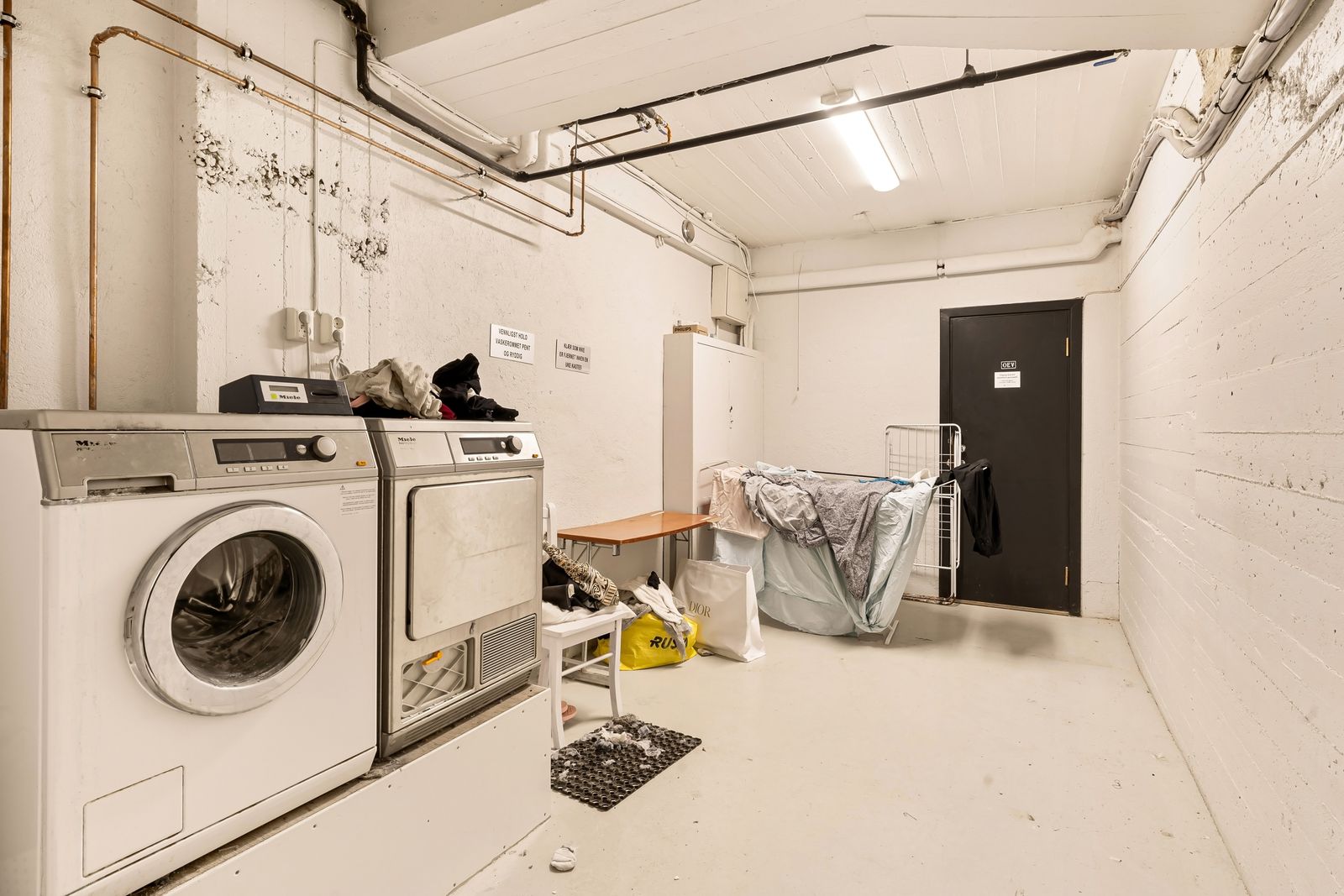
A miele dryer not drying leaves clothes damp at the end of a heat-pump cycle, and the fix is almost always cleaning the air path rather than repairing the sealed heat pump.
Miele T1 heat-pump dryers run on a 120V/15A circuit and recover moisture through a heat exchanger rather than venting outside, so most problems trace to the FilterClean filters, the heat exchanger, or the condensate path before the sealed heat pump is ever suspect. We start with the everyday causes you can check yourself, then explain the signs that point to a part that genuinely needs a hands-on repair.
What a miele dryer not drying usually means
A T1 heat-pump dryer dries gently at lower temperatures, so it is more sensitive to airflow than a hot vented dryer. Clogged FilterClean filters, a lint-blocked heat exchanger, an overloaded drum, or clothes that went in soaking all stretch or stall drying — and the dryer may show F55 or F66.
First checks you can do
Start with the checks you can safely do yourself. Each one rules out a common, inexpensive cause, and together they resolve the majority of cases without a service visit:
- Clean both FilterClean fluff filters and rinse the fine filter; this is the most common cause.
- Open the base and clean the heat-exchanger fins of lint.
- Empty the condensate container if you are not plumbed to a drain — a full tank stops drying.
- Avoid overloading and make sure the washer spun the load fully before it went in.
Take these in order and test whether the problem has cleared before moving to the next. If you do end up needing help, having worked through them gives the technician a useful head start.
Reading the Miele display for a miele dryer not drying
Note any code before you act, because it narrows the diagnosis more than any other clue. A good first move for most Miele problems is a power reset: switch the appliance off at the wall or trip the breaker for a minute, then restore power. If the code returns straight away, treat it as a real problem pointing at the named part.
- F55 — not dry after 180 minutes.
- F66 — airflow / ventilation problem.
- F50 — technical / control failure.
Note the exact characters and any plain-English message Miele shows alongside the F-number, since the wording often tells you which subsystem the control suspects.
When it is a problem, not a habit
If the everyday checks above do not resolve it, the problem has likely moved from something you can adjust to a component that needs testing or replacing. These are the signs that point that way:
- Filters, heat exchanger, and tank are clear but drying is still poor — the heat pump or a sensor may be responsible.
- A failed humidity (PerfectDry) sensor can end cycles early or run them long.
- A refrigerant issue in the sealed system needs specialist service.
At this point a proper diagnosis beats guesswork, since the remaining causes involve a specific part or electrical testing. An experienced technician can meter the suspect component and fit a genuine Miele part so the repair lasts.
Putting it together
Work the checks above in the order given. Most Miele dryer problems of this kind clear at one of the early, owner-checkable steps; the ones that do not point to a specific part and are worth a proper diagnosis rather than guesswork. Move from the simplest cause outward, confirm each step before the next, and treat a returning code or a lingering symptom as your cue to bring in help. A little routine care afterwards prevents most repeat calls, since Miele builds these dryers to a high standard.
Related reading: Miele dryer F66 airflow problem, cleaning the T1 heat exchanger, and our dryer repair service.
Book Miele dryer service
If these steps do not resolve it, our experienced technicians repair Miele dryers with genuine parts and a 30-day labor guarantee. Schedule a visit, see what our dryer repair service covers, or confirm your model details on the manufacturer’s site at mieleusa.com.