Every Miele W1 washer sold in the United States is a 24-inch front loader built on the same platform: the same honeycomb drum, the same sealed cabinet, the same service electronics. What separates one model from the next is dosing, wash programs and controls — not durability. That makes choosing simpler than the price ladder suggests, and it also means the cheapest W1 is not a lesser machine mechanically.
What you are actually choosing between
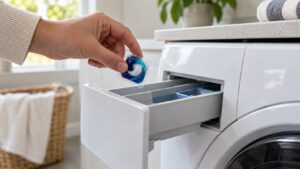
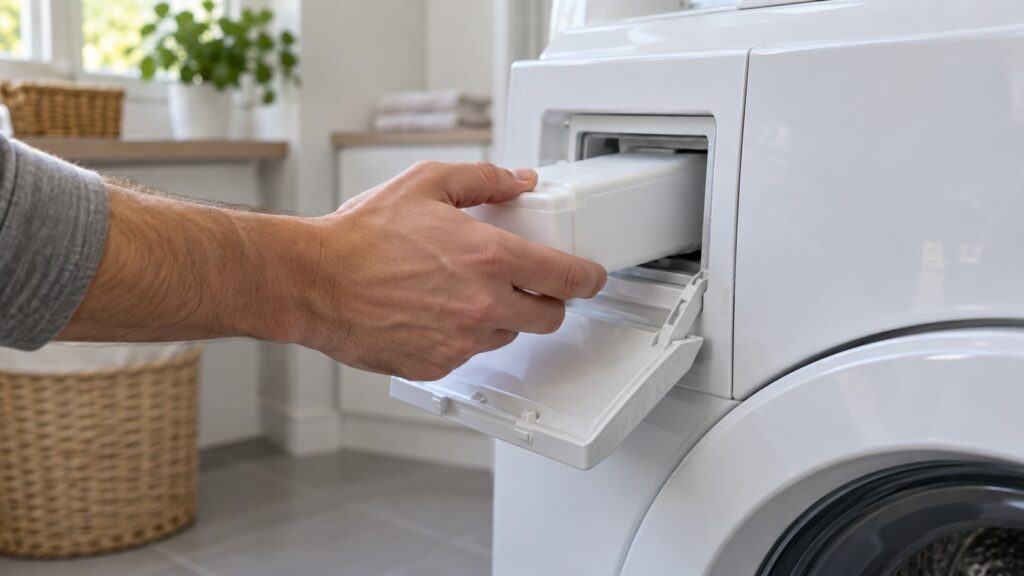
A Miele W1 washer is defined by how it doses detergent. That sounds like a minor feature and it is the main practical difference between models. CapDosing uses sealed single-use capsules dropped into the dispenser drawer — nothing to refill, nothing to go stale, and a different capsule for fabric conditioner, boosters or specials. TwinDos uses two refillable cartridges and meters liquid detergent in two stages during the wash, which is where the claimed detergent savings come from.
Neither is fragile, but they fail differently. A CapDosing machine has almost nothing extra to go wrong. A TwinDos machine has a pump, lines and a cartridge seat, and those are the parts that need the periodic clean cycle the machine asks for. Our explainer on how Miele TwinDos works goes through the maintenance that keeps it accurate.
The drum is the same, and that is the point
The honeycomb drum appears on every W1 and on T1 dryers. Its surface is dimpled so laundry rides on a thin film of water rather than dragging across perforated steel. That is a fabric-care feature, not a marketing one, and because it is shared across the range there is no version of a W1 that treats clothes worse to hit a price.
The same is true of the parts that decide service life. Bearings, suspension, the door seal and the drain pump are common across the platform. When we are asked whether the entry model will wear out sooner, the honest answer is that it will not — the mechanism is identical. Our honeycomb drum explainer covers what the surface is doing and why it matters for wool and delicates.
Size, siting and the things people discover late
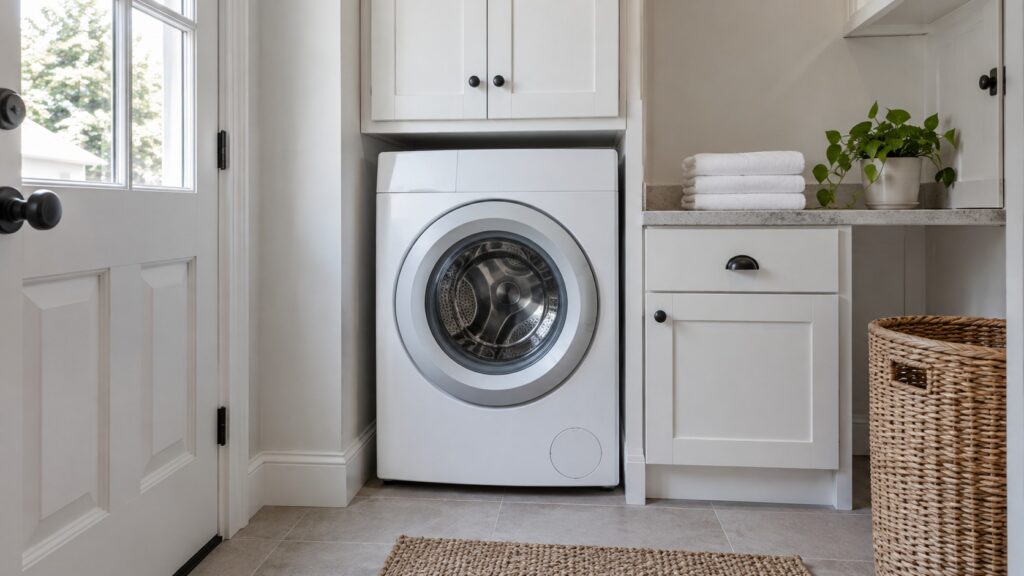
- 24 inches, not 27. A W1 is a European compact. If you are replacing an American 27-inch washer, there will be a gap on each side, and a stacked T1 dryer is the usual answer.
- Capacity is smaller. The trade is more loads, gentler treatment and far lower water use per load. Households doing several full loads a day should think about that honestly before buying.
- Weight and leveling. These machines are heavy and they are unforgiving of a floor that flexes. A W1 that walks during spin is almost always a leveling or floor problem, not a fault — see washer vibrating or walking.
- Hot fill. Some W1 machines can be plumbed to a hot supply. Get that decision right at installation: a machine expecting hot on a cold line reports an intake fault. Our Miele washer installation guide covers the connections.
Programs: which ones people actually use
The program list is long on every W1 and short in practice. Cottons and Synthetics cover most of the week. Express handles a small, lightly soiled load in well under an hour. Wool and Delicates are the programs that justify the drum surface, because they combine a very low drum speed with the water film that keeps fibres from rubbing. Outerwear and Waterproofing exist for shell garments and are genuinely different from a normal wash, not a relabeled cycle.
Two more are worth knowing before you choose a model. QuickIntenseWash, on upper models, runs a full-strength wash in a compressed time rather than a shortened one — it is not the same thing as Express, which lowers the work done. And the maintenance program, on every W1, runs hot to clear the residue that builds up when a machine only ever sees cool cycles. Running it every couple of months is the single habit that prevents odor complaints, whatever model you buy.
Running costs and water
A 24-inch W1 uses markedly less water per load than a full-size American washer, and it spins hard enough that a stacked dryer has less to remove. Against that, the smaller drum means more loads for the same laundry. For a couple or a small household the arithmetic favors the compact machine comfortably. For a family running several full baskets a day it is closer, and the deciding factor is usually whether a 27-inch machine even fits the space.
Detergent is where the dosing choice shows up in the budget. TwinDos meters liquid in two stages and uses noticeably less than hand dosing, which is where the savings claim comes from. CapDosing capsules cost more per wash than bulk detergent but remove the guesswork entirely. Neither choice affects how long the machine lasts.
Which one to buy
Pick the entry W1 with CapDosing if you want the fewest moving parts and you are happy to buy capsules, or if you already have a detergent you like and will keep dosing by hand. Pick a TwinDos model if several people use the machine and consistent dosing matters more than the cartridge routine. Pick an upper model only if the short full-strength cycle genuinely fits your week — it is a real feature, not a badge, but it is the one people most often pay for and then never use.
Nothing on that list is about reliability, because reliability does not change across the range. If your shortlist is down to two machines and one is significantly cheaper, the cheaper one is not a compromise on the parts that matter.
Before you buy a replacement
If the machine you are replacing is a Miele, check whether it is worth repairing first. W1 washers are built for a long service life, and the common faults — drain pump, door lock, heater, suspension — are parts replacements on a machine that otherwise has years left. Our repair or replace guide sets out where the line sits, and our washer tips cover the habits that prevent the faults in the first place.
We are an independent repair company, not a factory service arm or a dealer, so we have nothing to sell you on the buying side. If you want an opinion on whether your current machine is worth keeping, Miele washer repair starts with a diagnostic visit and we confirm the estimate before any work begins. You can schedule a visit online.