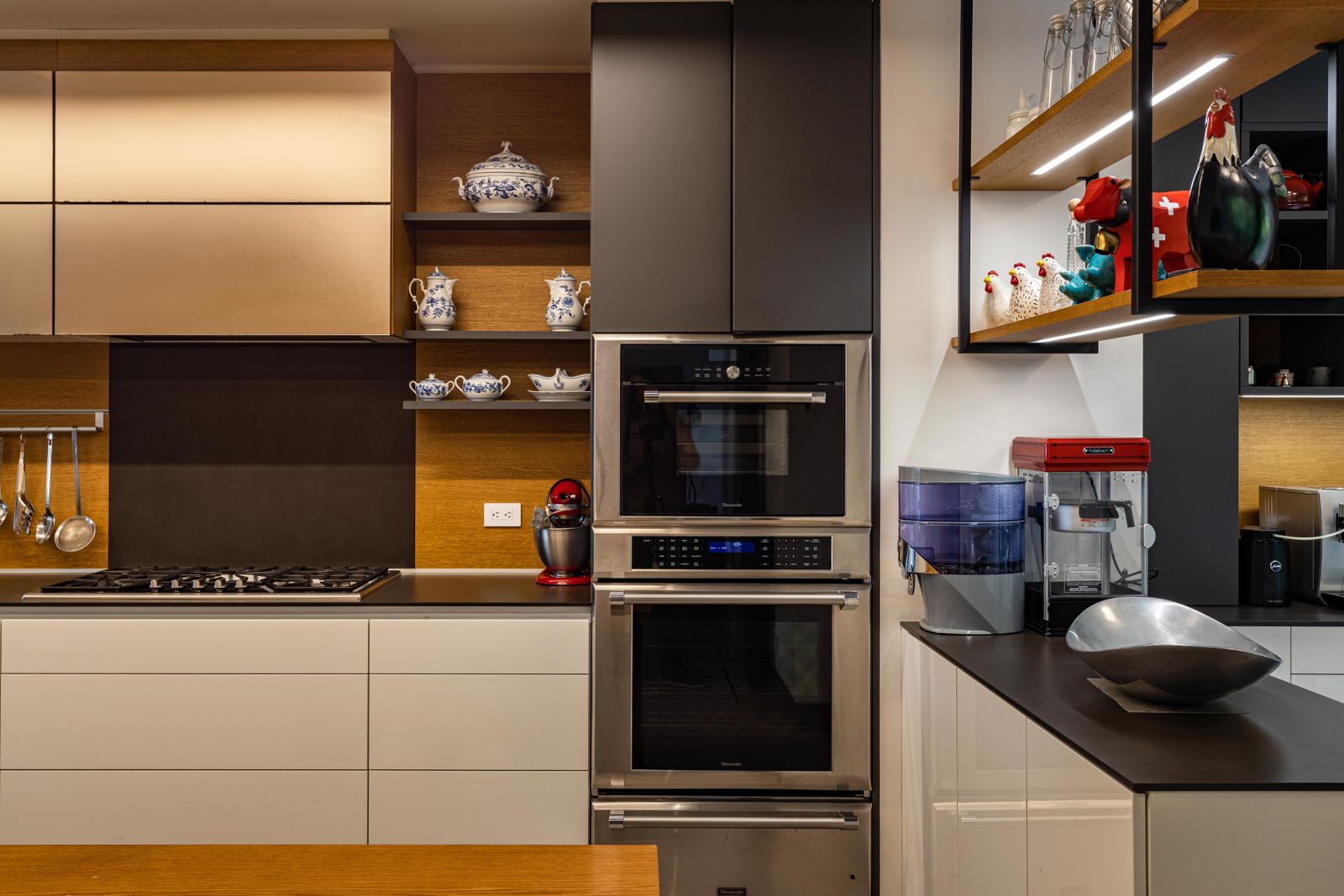
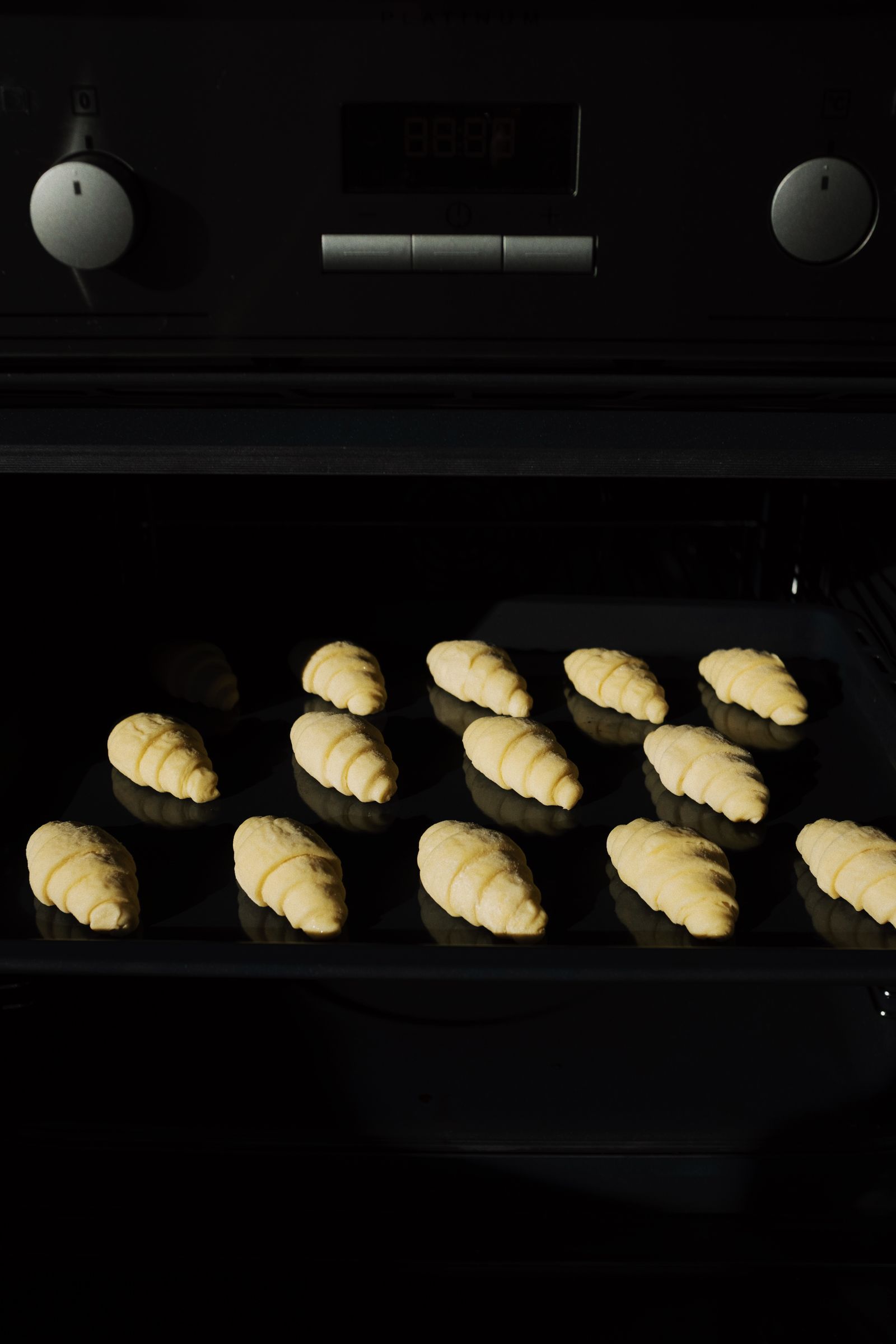
A miele oven door locked after a pyrolytic self-clean is, almost always, the oven doing exactly what it should — the door stays locked until the cavity cools to a safe temperature.
Miele H-series ovens use a temperature sensor and report F-codes around the sensor, the catalyst, and the pyrolytic door lock, so an F-number plus a power reset usually identifies whether a sensor, the latch, or the board is involved. We start with the everyday causes you can check yourself, then explain the signs that point to a part that genuinely needs a hands-on repair.
What a miele oven door locked usually means
Pyrolytic self-clean runs the oven extremely hot to burn off residue, so the door locks for safety and only releases once it has cooled. That cooldown can take an hour or more. F33 (door did not unlock) is the problem version, but most “stuck” doors are simply still cooling.
First checks you can do
Start with the checks you can safely do yourself. Each one rules out a common, inexpensive cause, and together they resolve the majority of cases without a service visit:
- Wait for the oven to fully cool — the latch will not release while the cavity is still hot.
- Confirm the self-clean cycle actually finished rather than being interrupted.
- Once cool, switch the oven off at the breaker for a minute to reset the latch.
- Note whether F32 (did not lock) or F33 (did not unlock) is shown.
Take these in order and test whether the problem has cleared before moving to the next. If you do end up needing help, having worked through them gives the technician a useful head start.
Reading the Miele display for a miele oven door locked
Note any code before you act, because it narrows the diagnosis more than any other clue. A good first move for most Miele problems is a power reset: switch the appliance off at the wall or trip the breaker for a minute, then restore power. If the code returns straight away, treat it as a real problem pointing at the named part.
- F33 — door did not unlock (pyro) — the code here.
- F32 — door did not lock at the start of pyro.
- F23 — pyro temperature not reached.
Note the exact characters and any plain-English message Miele shows alongside the F-number, since the wording often tells you which subsystem the control suspects.
When it is a problem, not a habit
If the everyday checks above do not resolve it, the problem has likely moved from something you can adjust to a component that needs testing or replacing. These are the signs that point that way:
- The oven is fully cool and power-cycled but the door stays locked — the door-lock motor or its control may have failed.
- A jammed latch mechanism can stop the door releasing.
- Repeated F32/F33 around self-clean points to the lock assembly.
At this point a proper diagnosis beats guesswork, since the remaining causes involve a specific part or electrical testing. An experienced technician can meter the suspect component and fit a genuine Miele part so the repair lasts.
Putting it together
Work the checks above in the order given. Most Miele oven problems of this kind clear at one of the early, owner-checkable steps; the ones that do not point to a specific part and are worth a proper diagnosis rather than guesswork. Move from the simplest cause outward, confirm each step before the next, and treat a returning code or a lingering symptom as your cue to bring in help. A little routine care afterwards prevents most repeat calls, since Miele builds these ovens to a high standard.
Related reading: Miele oven “F” flashing and reset, Miele oven error code archive, and our oven repair service.
Book Miele oven service
If these steps do not resolve it, our experienced technicians repair Miele ovens with genuine parts and a 30-day labor guarantee. Schedule a visit, see what our oven repair service covers, or confirm your model details on the manufacturer’s site at mieleusa.com.