A wine cabinet fails differently from every other appliance in the kitchen, because it is judged on stability rather than on temperature. A refrigerator that swings two degrees is fine. A wine cabinet that swings two degrees, repeatedly, is slowly costing you the thing it was bought to protect. Miele wine cooler maintenance is therefore mostly about keeping the conditions steady, and only rarely about fixing something that has broken.
Ventilation is the job that actually matters
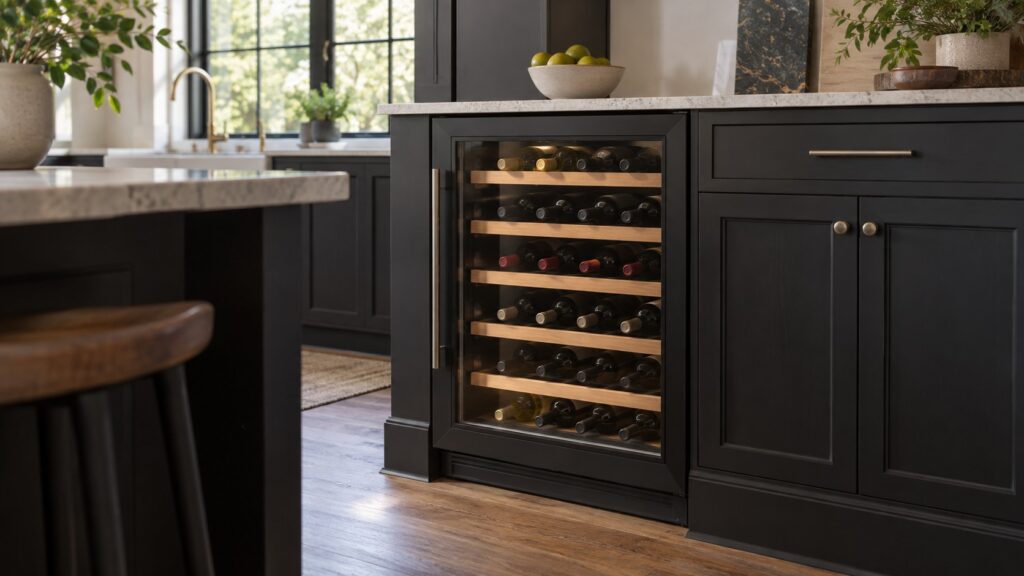
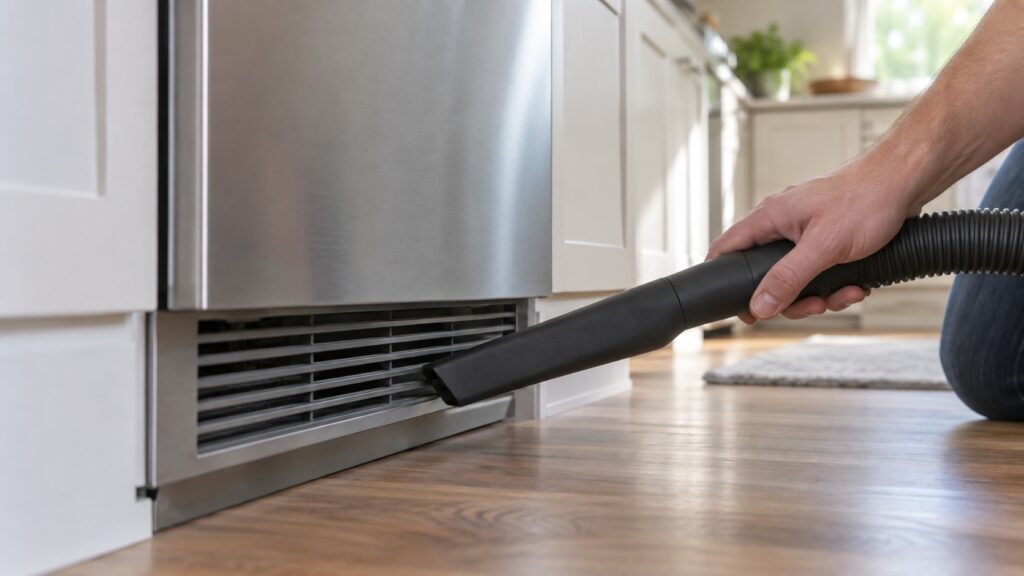
A built-in wine cabinet rejects its heat through a grille, usually at the plinth, and that grille is at ankle height in a kitchen. It collects dust, pet hair and whatever else lives at floor level, and nothing about the appliance tells you it is happening. The compressor simply runs longer, then longer still, and the first symptom most people notice is a cabinet that no longer reaches its lower set point on a warm afternoon.
Vacuum it every three months. If the unit is under a counter with a solid plinth in front, that plinth has to come off to do the job properly — and if it has never come off, that is the first place to look when a cabinet starts running constantly. Our page on a wine cooler compressor that runs constantly covers the rest of that diagnosis.
The door seal and the humidity you are trying to keep
A wine cabinet holds humidity deliberately, because dry air shrinks corks and a shrunken cork lets air into the bottle. The door seal is what holds that humidity in, and it is also what keeps warm kitchen air out. A seal that has gone hard, or that has a fold in one corner from a door left open against a cabinet, leaks in both directions at once.
Test it with a strip of paper. Close the door on it and pull: it should drag. Do that at four or five points around the door, especially the hinge-side corners where a sagging door shows first. Clean the seal with a damp cloth and nothing else — solvents and kitchen sprays harden the material and shorten its life considerably.
- Condensation inside usually means warm air is getting in, not that the cabinet is making water.
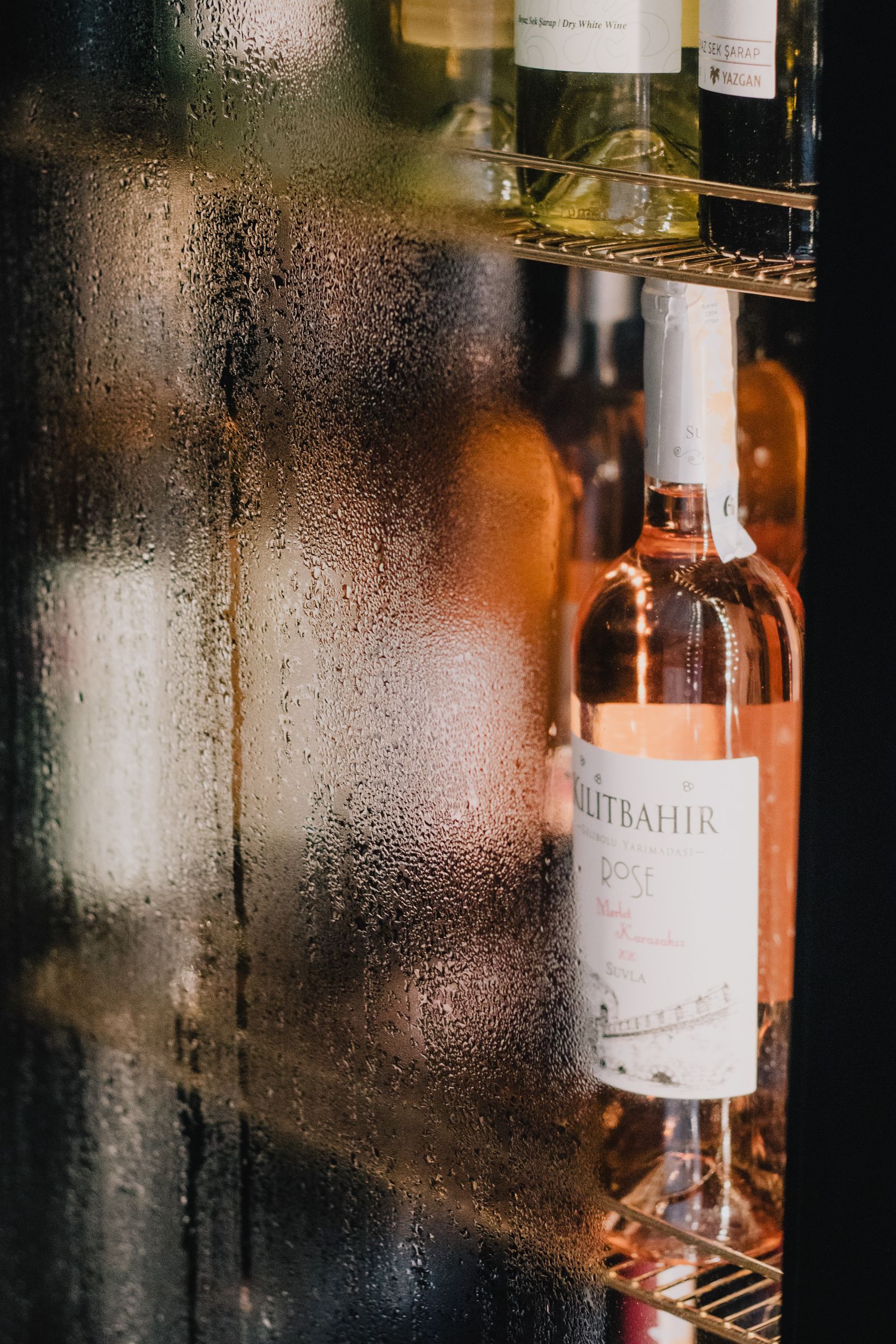
- Condensation on the glass outside is a humid room meeting a cold surface, and is normal in summer.
- A door that no longer self-closes is often a leveling problem rather than a hinge problem.
Filters, and why the air inside matters
Models with an active charcoal filter are filtering the air the wine breathes through the cork. The filter saturates, and a saturated filter does nothing at all — it does not warn you and it does not degrade gracefully. Changing it on a schedule is the only way to know where you are. Our explainer on Miele Active AirClean covers what the filter is doing.
The same logic applies to what you put in the cabinet. Cleaning products stored alongside bottles, a cardboard case that got damp, or a strongly scented candle in a nearby drawer will all end up in the wine eventually. Keep the interior bare except for bottles.
Set points, zones and the mistake of chasing numbers
A dual-zone cabinet is two climates in one box, and the two are not independent. Set them far apart and the cabinet spends its life fighting itself: the compressor runs long to satisfy the cold zone while the warm zone is being heated by the room and by the cold zone’s own operation. The result is more noise, more running and less stability than a narrower split would give.
The other habit worth dropping is adjusting the set point because the display read a degree off yesterday. A wine cabinet is meant to drift slightly as the room changes and to come back; that is what its thermal mass is for. Change a setting, then leave it alone for at least twenty-four hours before judging it. Most complaints that arrive as “it will not hold temperature” are two adjustments made six hours apart.
Loading, and what a full cabinet does for you
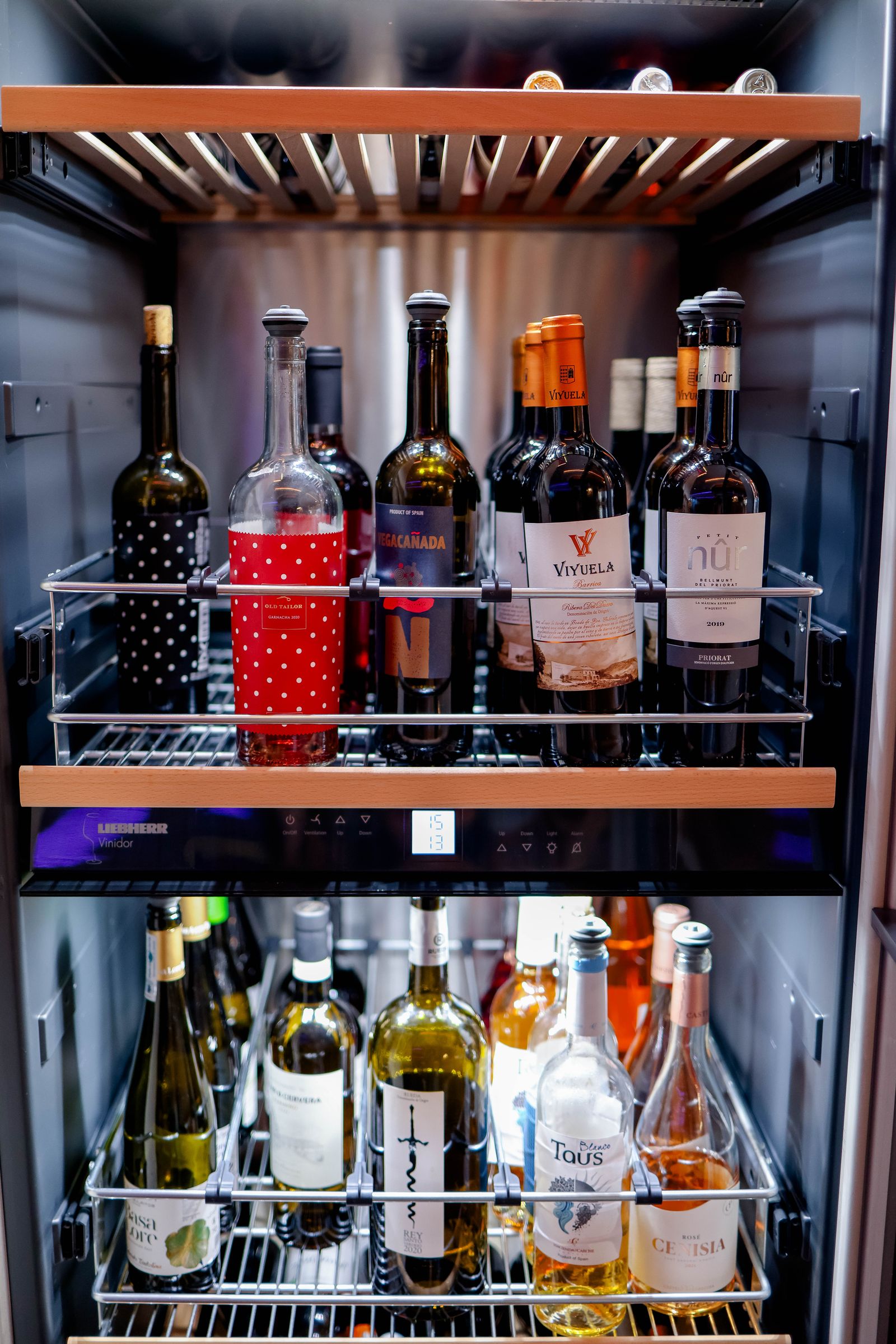
A full cabinet is more stable than an empty one, because bottles hold cold far better than air does. Every door opening dumps the cold air out, and in a nearly empty cabinet there is nothing left to bring the temperature back except the compressor. If you keep only a handful of bottles, keep them together on the shelves nearest the cooling side rather than spread across the whole cabinet.
What a full cabinet must not be is a blocked one. Bottles packed against the rear wall sit against the cooling surface and can freeze on that side while the front of the cabinet reads correctly. Leave the back row clear of the wall, and never lay anything across an internal air vent.
Vibration, light and the two slow damages
Two things damage wine without ever registering as a fault. The first is vibration, which keeps sediment in suspension and, over years, is thought to age wine unevenly. A cabinet that is not level, or one whose shelves rattle on their rails, adds vibration the compressor mounts were designed to absorb. Check the level with a spirit level twice a year and after anything heavy has been moved nearby.
The second is light. A glass door is treated against ultraviolet, but interior lighting left on continuously is a light source a few inches from the bottles. Use the lighting to find a bottle, not to display the cabinet, and if the model offers a timed or motion-triggered mode, use it.
When maintenance stops being enough
A cabinet that has had its grille cleaned, its seal checked and its filter changed, and still cannot hold its set point, is telling you about a component rather than a habit. The same is true of a temperature display that flashes, a cabinet that has become noticeably louder, or one that cools the top zone and not the bottom. Those are diagnoses, not chores — see a flashing temperature display and a Miele wine cooler that is not cooling.
We are an independent repair company, not a factory service arm. Pricing starts from a diagnostic visit and we confirm the estimate before any work begins. Miele wine cooler repair covers the sealed system and the electronics, and you can schedule a visit online. For day-to-day use rather than upkeep, our Miele wine cooler tips cover loading and set points.